

Choosing the wrong loan does not just cost you a little extra interest.
It can trap your cash for years and slow down your entire investing plan.
This is not a rate decision.
It is a strategy decision.
Clear Short Answer
Use a fix and flip loan when your plan is to renovate and sell or renovate and refinance quickly.
Use a DSCR loan when your plan is to hold the property long term as a rental and qualify based on income.
If you use a long term rental loan on a short term project, you can lock your cash up for years.
If you use a short term flip loan on a long term hold, you can force a refinance before the deal is ready.
Purpose matters more than rate.
Key Differences at a Glance
| Feature | Fix and Flip Loan | DSCR Loan |
| Primary purpose | Renovate and sell or refi | Buy or refi and hold |
| Term length | 6 to 12 months | 30 years typical |
| Qualification | Based on the deal and ARV | Based on rental income and costs |
| Rehab funding | Often included | Not included |
| Payments | Interest only | Fully amortized or interest only |
| Speed | Very fast closings (~10 days) | Slower than flip loans (30-45 days) |
| Best use | Short term projects (6-12 months) | Long term rentals (3-5+ years) |
Why These Loans Exist
Purpose of a Fix and Flip Loan
Fix and flip loans exist to move fast.
They are designed for properties that need work and cannot qualify for traditional or rental financing yet.
The lender cares about the after repair value and your plan to execute.
Purpose of a DSCR Loan
DSCR loans exist to hold.
They are designed for stabilized or nearly stabilized rentals where the income can support the debt.
The lender cares about rent coverage, not your rehab timeline.
When you mix these up, problems start.
Timeline Differences That Change Everything
Fix and Flip Loan Timeline
Fix and flip timelines are short by design.
You buy.
You renovate.
You sell or refinance.
Most projects are planned for three to six months with a hard stop at twelve months.
DSCR Loan Timeline
DSCR timelines are long by design.
You buy or refinance.
You stabilize the property.
You hold for cash flow.
This loan assumes you are not selling anytime soon.
If your timeline and loan timeline do not match, you lose flexibility.
Exit Strategy Alignment
Every deal should start with the exit, not the rate.
Ask yourself one question before choosing a loan.
How Do I Plan to Get My Cash Back?
If the answer is to sell soon, you need a short term loan.
If the answer is hold and cash flow, you need a long term loan.
Fix and Flip Loan Exit Paths
Sell after renovation
Refinance into a DSCR or conventional loan
Roll profits into the next deal
DSCR Loan Exit Paths
Hold for cash flow
Refinance later when rents or value increase
Sell years down the road if the market makes sense
The wrong loan blocks the right exit.
Real Example: Same Property, Two Loans
Property Details
Purchase price: $200,000
Rehab budget: $50,000
After repair value: $320,000
Correct Path Using a Fix and Flip Loan
Loan Structure
90 percent of purchase
100 percent of rehab
Interest only for 12 months
Cash in the Deal
Down payment and reserves around $30,000
Timeline
4 months rehab
Property now worth $320,000
Exit
Refinance into a DSCR loan at 75 percent of value
New loan around $240,000
Result
Original cash mostly returned
Property becomes a rental
Cash is free to reuse
Wrong Path Using a DSCR Loan First
Loan Structure
25 percent down payment
No rehab funds included
Cash in the Deal
$50,000 down plus rehab cash
Timeline
Renovation still takes 4 months
The Problem
Property is not fully stabilized
Rent may not qualify yet
Cash is locked
Result
Investor has a rental loan but cannot refinance
Cash is trapped for years
Scaling slows down
Same deal.
Very different outcome.
Also, DSCR loans can only be used for properties in rentable condition.
How Borrowers Choose the Wrong Loan and How to Fix It
Mistake One: Choosing Based on Rate
Fix
Start with your exit. Rate comes second.
Mistake Two: Using a DSCR Loan on a Heavy Rehab
Fix
Use a fix and flip loan first, then refinance when the property is ready.
Mistake Three: Refinancing Too Early
Fix
Wait until rehab is complete, rents are proven, and value is supported.
Borrower Checklist Before Choosing a Loan
- What is my exit strategy
- How long will rehab actually take
- Will the property cash flow today or only after repairs
- Do I need rehab funds included
- How fast do I need to close
- When do I want my cash back
If you cannot answer these clearly, the loan choice is not clear yet.
Frequently Asked Questions
Can I Use a DSCR Loan on a Fixer Upper?
Sometimes, but it usually requires more cash and limits flexibility.
Can I Refinance a Fix and Flip Loan Into a DSCR Loan?
Yes. This is one of the most common and effective strategies.
Is a DSCR Loan Cheaper Than a Fix and Flip Loan?
Yes on rate, but not always cheaper in total cost if it traps your cash.
Which Loan Is Better for Beginners?
Neither is better. The right loan depends on the deal and the plan.
Do I Need Perfect Credit for Either Loan?
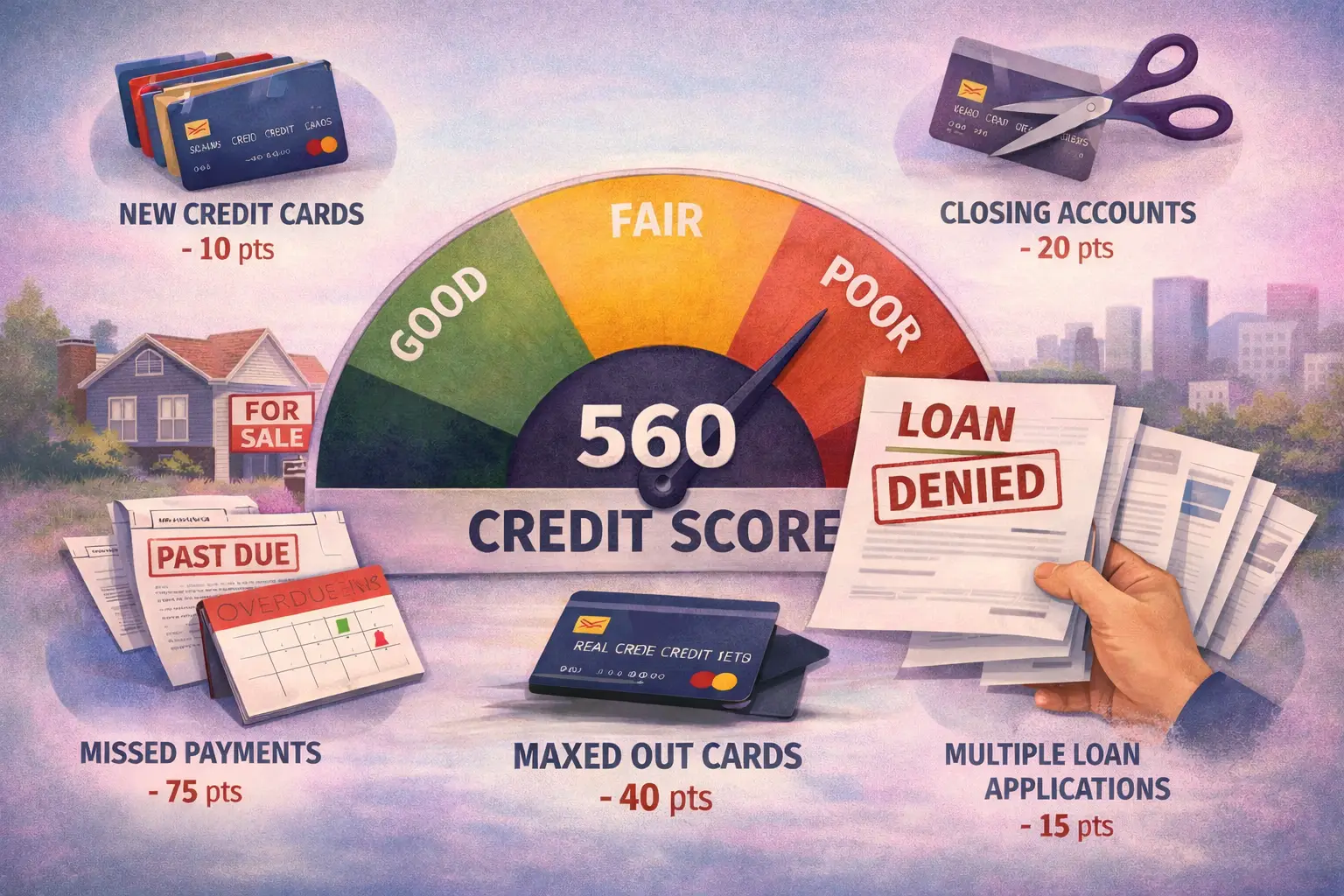
No. Deal structure matters more than small credit differences. What credit score do you really need? How to save thousands if you’re short?
Glossary of Terms
DSCR
Debt Service Coverage Ratio. Rent divided by the total monthly payment(PITI).
ARV
After Repair Value. What the property is worth after renovations.
Fix and Flip Loan
A short term loan designed to fund purchase and renovation.
Exit Strategy
How you plan to get your cash back and realize profit.
Next Step
If you want clarity before choosing a loan and do not want to trap your cash by mistake, I’m happy to look at your numbers and talk strategy with you.
Follow Dahae Yi on Instagram @dahaeyi.lender — Hard Money & DSCR Lending Tips
About the Author
Dahae Yi is an investment property lender and real estate funding educator specializing in fix and flip and rental financing. She teaches investors how to structure lender ready deals, avoid common funding mistakes, and scale from their first deal to a portfolio with confidence.








Leave a Reply