
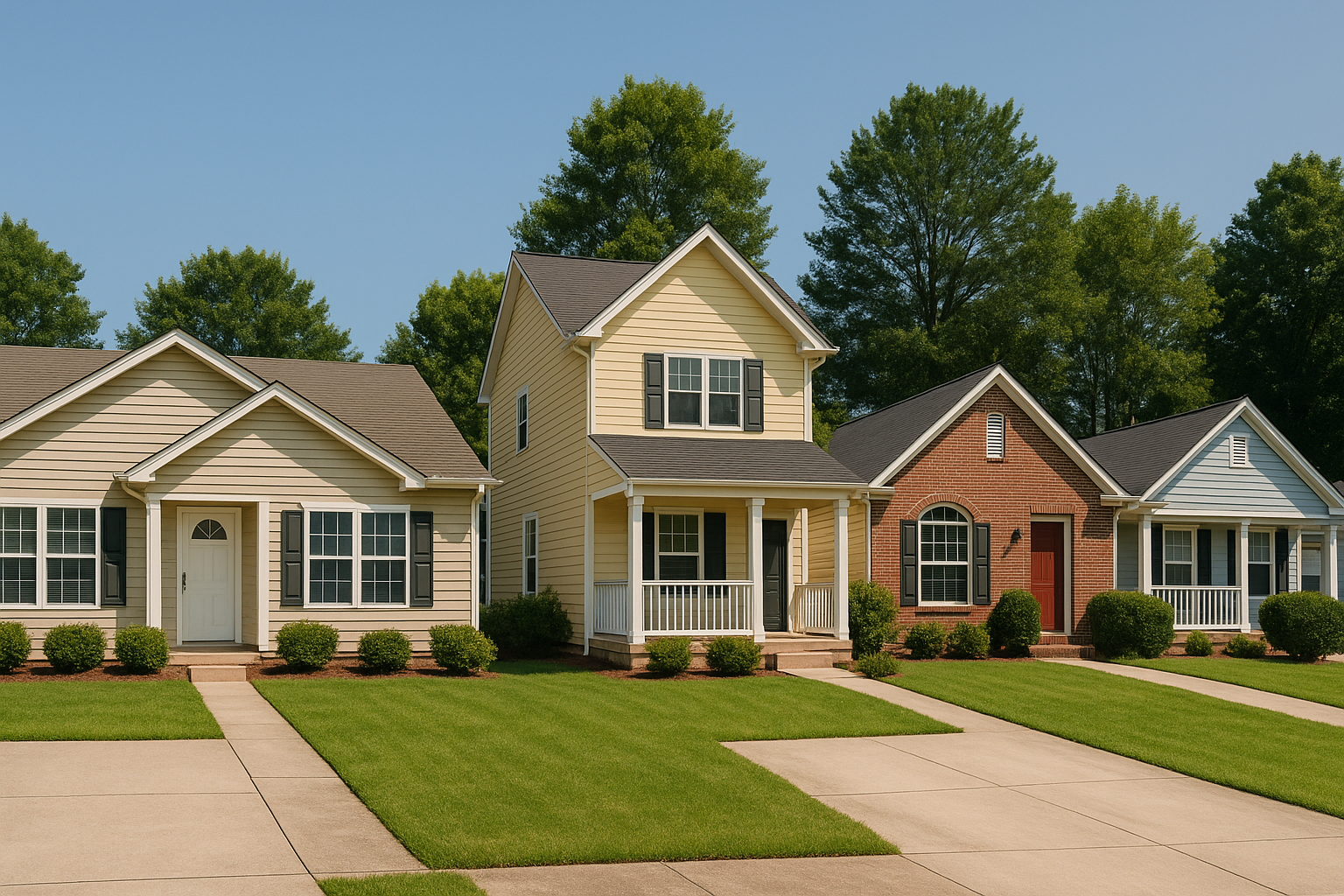
You can buy 5 rental doors in 3 years starting with just $30,000 by combining three financing strategies: FHA 203(k) loans for low down payments with rehab funding, DSCR cash-out refinancing to pull equity, and DSCR purchase loans for additional rentals. The key is house hacking with strong value-add rehabs, then refinancing to recycle your capital into the next property.
The 3-Year Roadmap
| Year | Property Type | Loan Type | Down Payment | Cash from Refi | Doors Owned |
| 1 | Duplex | FHA 203(k) | $7,000 | $0 | 2 |
| 2 | Live in unit, build equity | N/A | $0 | $0 | 2 |
| 3 | Cash-out refi duplex | DSCR Refi | $0 | $20,000 | 2 |
| 3 | Triplex | FHA 203(k) | $12,915 | $0 | 5 |
Total Investment: $30,000 turns into 5 rental doors and approximately $100,000 in total equity.
Step-by-Step Strategy
Year 1: Buy Your First Duplex with FHA 203(k)
Purchase Price: $200,000
Down Payment (3.5%): $7,000
Estimated Closing Costs (3%): $6,000
Rehab Budget: $30,000
Total Loan Amount: $230,000 (purchase + rehab rolled into one loan)
Your Cash Needed at Closing: Approximately $13,000 (down payment + closing costs)
What You Get:
- Two rental units
- Low down payment option
- Rehab costs financed into the loan
- Instant equity through forced appreciation
The Catch: You must live in one unit for at least 12 months. This is called house hacking.
Year 2: Live There and Build Equity
During year 2, you live in one unit and rent out the other. Your tenant helps cover the mortgage while you:
- Complete the rehab work to increase property value
- Build payment history
- Let the property appreciate naturally
- Save additional capital for the next deal
- Start looking for a small multifamily deal
Value Growth:
- Original purchase price: $200,000
- Value after rehab (Year 1): $260,000 (30% forced appreciation from smart rehab)
- Year 2 natural appreciation (7%): $278,200
- Year 3 natural appreciation (7%): $297,674
Why 7% Appreciation?
This assumes the property is in a healthy, growing market. The goal is to show how property value grows over time so you can pull cash out and use it as a down payment for your next deal.
Year 3: Cash-Out Refinance + Buy Triplex
1. DSCR Cash-Out Refinance on Duplex:
Current property value: $297,674
Maximum cash-out refinance (75% LTV): $223,256
Current loan balance (after 2 years payments): $199,000
Refinance closing costs (2%): $4,465
Net cash pulled out: $223,256 – $199,000 – $4,465 = $19,791
You now have approximately $20,000 to invest in your next property.
How the DSCR Refinance Works:
Unlike your original FHA loan, the DSCR refinance qualifies based on the property’s rental income, not your personal income.
Monthly rent from both units: $2,400
New monthly payment (estimate): $1,850
DSCR: $2,400 ÷ $1,850 = 1.30
Most DSCR lenders want to see 1.0 or higher, so this deal qualifies easily.
Avoid this common mistake. DSCR loans are for investment properties only, so you must be able to verify a separate primary residence. Also double check that you qualify for an FHA refinance before moving forward.
2. Triplex Purchase with FHA 203(k):
Since you’ve lived in the duplex for 12+ months, you can now move into a new FHA property and keep the duplex as a full rental.
Purchase Price: $369,000
Down Payment (3.5%): $12,915
Estimated Closing Costs (3%): $11,070
Rehab Budget: $35,000
Total Loan Amount: $415,070
Your Cash Needed: $23,985
Where the Money Comes From:
- Cash-out refinance from duplex: $20,000
- Saved cash flow from Year 2 duplex rental: $4,000+
What You Now Own:
- Duplex (2 doors) generating $2,400/month rental income
- Triplex (3 doors) with you living in one unit, two units rented
Total Doors: 5 rental units
The Three Loan Types Explained
1. FHA 203(k) Loan (Years 1 & 3)
What It Is: An owner-occupied loan that combines purchase price and rehab costs into one mortgage.
Benefits:
- Only 3.5% down payment required
- Rehab costs financed into the loan
- Can use on 1-4 unit properties
- Lower interest rates than investor loans
Requirements:
- Must live in the property for at least 12 months
- Property must be your primary residence
- Credit score typically 580 or higher
- Maximum loan limits apply by county
Why This Is Powerful:
Most investment property loans require 20-25% down. With FHA 203(k), you get into a property for just 3.5% down AND get the rehab money financed. This lets you create forced appreciation without needing $50,000+ saved up.
2. DSCR Cash-Out Refinance (Year 3)
What It Is: A refinance loan that qualifies you based on the property’s rental income, not your personal income.
How It Works:
- Lender uses actual or market rent to calculate DSCR (Debt Service Coverage Ratio)
- Can pull out equity up to 75% LTV (Loan to Value)
- No tax returns or W-2s required
DSCR Formula: Monthly Rental Income ÷ Monthly Mortgage Payment = DSCR
Example: If rent is $2,400/month and mortgage payment is $1,850, DSCR = 1.30 (most lenders want 1.0 or higher)
Why This Changes Everything:
DSCR refinances only care if the property’s rent covers the new mortgage payment. This means you can pull equity without proving personal income.
3. DSCR Purchase Loan (Year 4+)
What It Is: A rental property purchase loan that qualifies based on the property’s projected rental income.
Benefits:
- No income verification needed
- Buy unlimited rental properties
- Typical down payment: 20-25%
- Faster closing than conventional loans
When to Use: Once you’re done house hacking and want to scale your portfolio without moving into each property.
Real Numbers Breakdown: Duplex Example
Purchase Scenario:
| Item | Amount |
| Purchase Price | $200,000 |
| Down Payment (3.5%) | $7,000 |
| Loan Amount | $193,000 |
| Rehab Costs (financed) | $30,000 |
| Total Loan | $223,000 |
| Closing Costs | $6,000 |
| Total Cash Needed | $13,000 |
After Rehab (Year 1):
| Item | Amount |
| New Property Value | $260,000 |
| Total Loan Balance | $223,000 |
| Equity Created | $37,000 |
| Return on Cash | 285% |
After 2 Years of Appreciation:
| Item | Amount |
| Property Value (Year 3) | $297,674 |
| Loan Balance | $199,000 |
| Total Equity | $98,674 |
| Available to Pull (75% LTV) | $223,256 |
| Cash Out After Payoff | $20,000 |
Monthly Cash Flow (Year 2-3):
- Total Mortgage Payment (PITI): $1,850
- Rent from both units: $2,400
- Monthly Cash Flow: $550 (minus repair costs or other expenses)
- Annual Cash Flow: $6,600 (minus repair costs or other expenses)
Real Numbers Breakdown: Triplex Example
Purchase Scenario:
| Item | Amount |
| Purchase Price | $369,000 |
| Down Payment (3.5%) | $12,915 |
| Loan Amount | $356,085 |
| Rehab Costs (financed) | $35,000 |
| Total Loan | $391,085 |
| Closing Costs | $11,070 |
| Total Cash Needed | $23,985 |
Funding Sources:
| Source | Amount |
| Cash from duplex refinance | $20,000 |
| Saved rental income (Yr 2) | $4,000 |
| Total Available | $24,000 |
After Rehab:
| Item | Amount |
| New Property Value | $430,000 |
| Total Loan Balance | $391,085 |
| Equity Created | $38,915 |
Monthly Cash Flow (with you living in one unit):
- Total Mortgage Payment (PITI): $3,050
- Rent from 2 units: $2,600
- Your Housing Cost: $450
- Your Savings vs. Renting: $800-1,200/month
Common Mistakes and How to Avoid Them
Mistake 1: Overestimating After-Repair Value
Many investors inflate their ARV expectations. Use conservative comparable sales within 0.5 miles sold in the last 90 days. Even though we used strong appreciation numbers in this example, always underwrite conservatively. If you expect 7% appreciation, plan for 3% and treat anything above that as a bonus.
Mistake 2: Underestimating Rehab Costs
Add 20% to your initial rehab budget for unexpected issues. Get multiple contractor quotes before closing. Know exactly what the FHA 203(k) allows (no luxury items, must be livable improvements like kitchens, bathrooms, flooring, HVAC, roof).
Mistake 3: Not Meeting FHA Occupancy Requirements
You must live in the property for at least 12 months. Moving out early can trigger loan acceleration. Plan your timeline carefully. If you buy the duplex in January 2025, you can’t buy the triplex with FHA until January 2026 or later.
Mistake 4: Buying in the Wrong Market
Choose markets where rent-to-price ratios support positive cash flow. The 1% rule is a good starting point (monthly rent should equal 1% of purchase price). For the $200,000 duplex, you want $2,000+ in total rent. Avoid markets where this ratio is below 0.7%.
Mistake 5: Skipping the DSCR Calculation
Before you refinance or buy with DSCR, calculate your debt service coverage ratio. Most lenders want 1.0 or higher. If market rents don’t support the mortgage payment, you won’t qualify. Run the numbers before you commit.
Mistake 6: Trying to Scale Too Fast
This is a 3-5 year strategy, not a 1-year sprint. Each property needs time to appreciate and build equity. Rushing into deals without proper analysis leads to negative cash flow and forced sales. Be patient and execute each step correctly.
Mistake 7: Not Saving During Year 2
While you live in the duplex during Year 2, save every dollar of rental income from the other unit. You’ll need this cash for the triplex down payment. Don’t lifestyle inflate just because you have rental income. Stay focused on the goal.
Frequently Asked Questions
Can I use FHA 203(k) if I’ve never owned a home before?
Yes. FHA 203(k) is perfect for first-time buyers. You get low down payment options and can buy a duplex, triplex, or fourplex as your first property while house hacking. This is actually one of the smartest ways to buy your first home because you get rental income from day one.
How soon can I move out of my FHA property?
You must occupy the property as your primary residence for at least 12 months. After that, you can move out and keep it as a rental while buying another FHA property. Mark your calendar for exactly 12 months from closing before you start looking at the next property.
Can I buy another property with FHA after buying the duplex?
Yes, but only after you’ve lived in the first property for 12 months. You can then move into a new FHA property and keep the first one as a rental.
What if the property doesn’t appraise at my target value?
This is why you underwrite conservatively. In our example, even if the duplex only appraised at $240,000 after rehab instead of $260,000, you still build significant equity. Buy properties that make sense at the purchase price, and treat the appreciation as a bonus, not a requirement.
Do I need perfect credit for these loans?
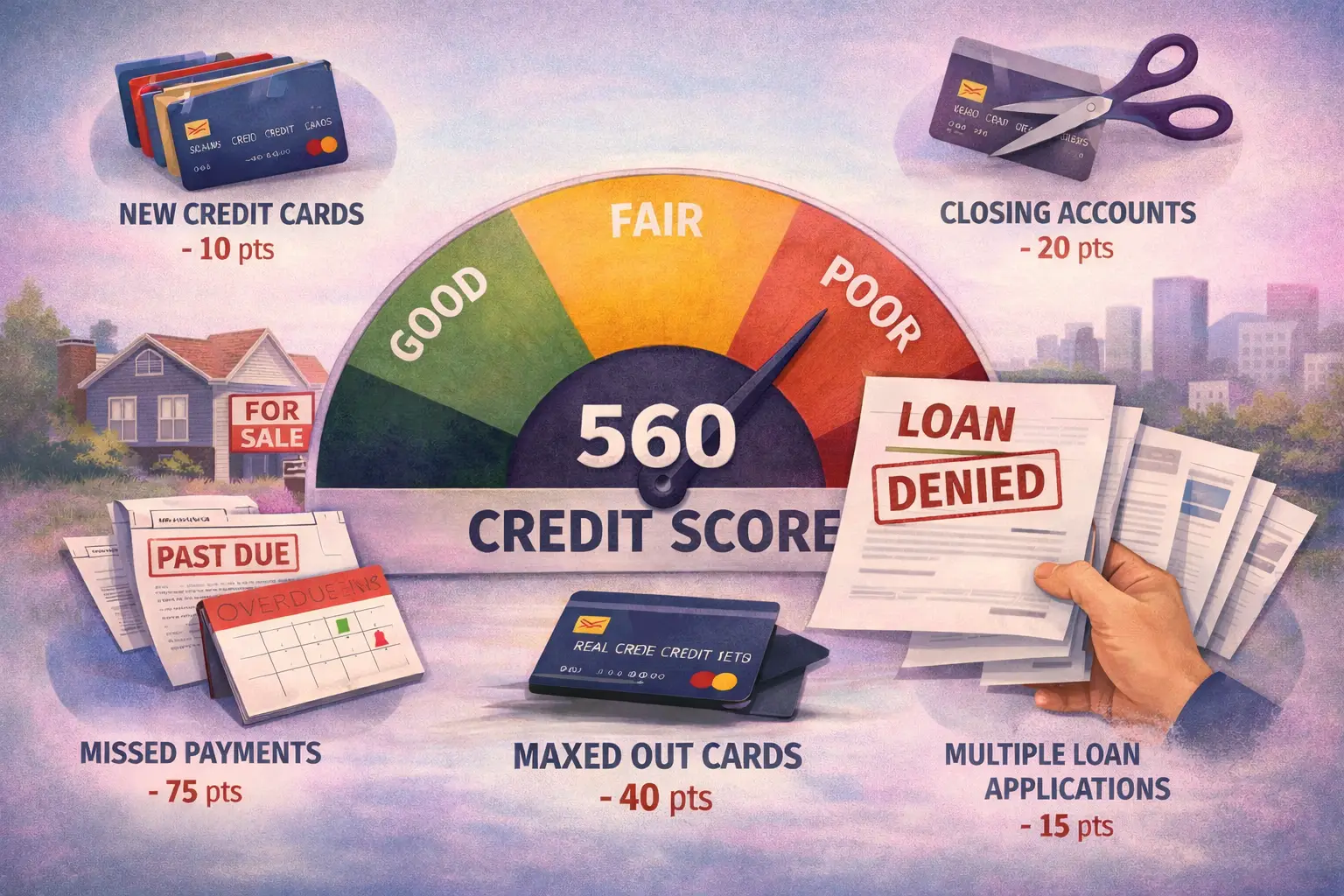
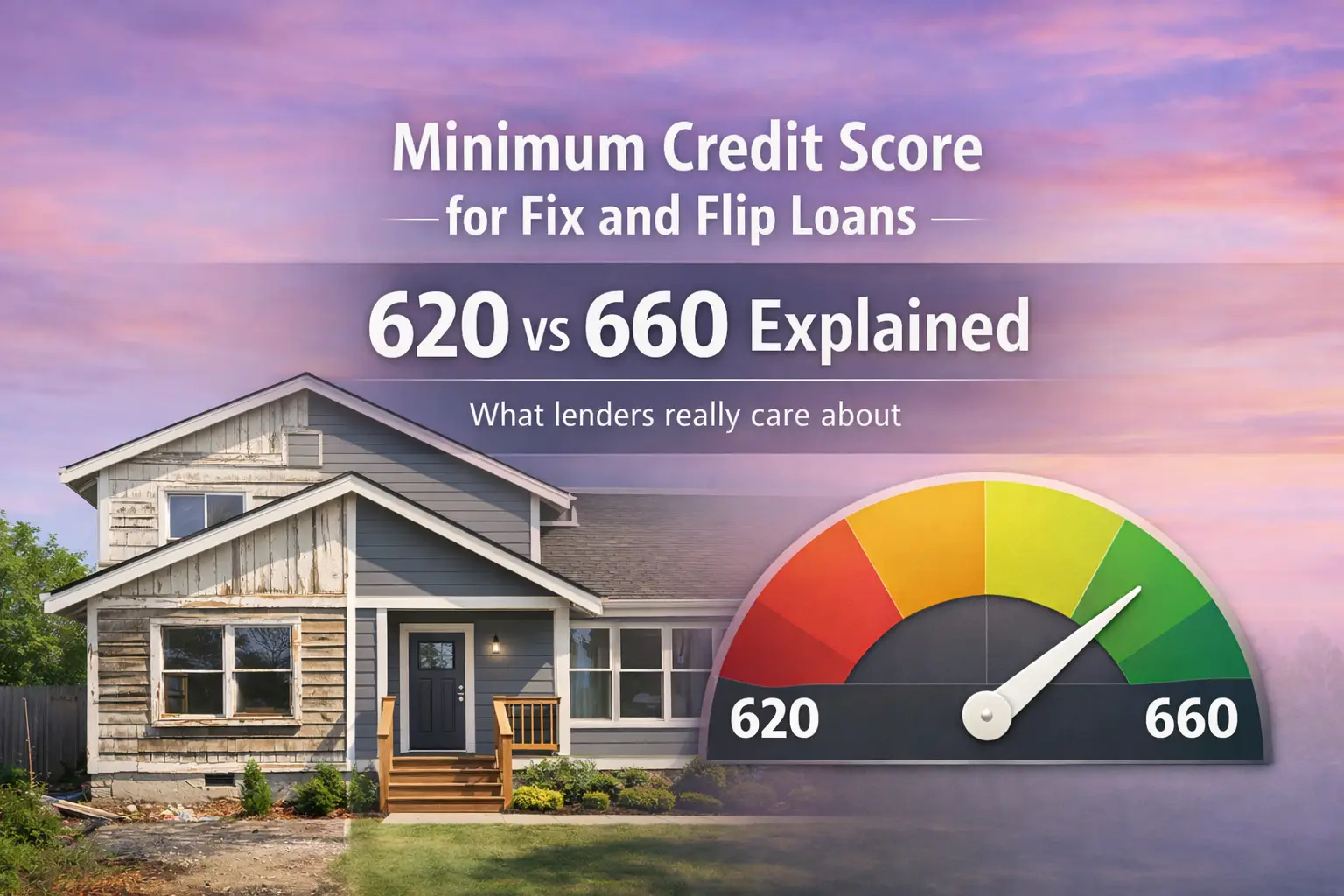
No. FHA 203(k) loans accept credit scores as low as 580 for 3.5% down (or 500 with 10% down). DSCR loans typically require 660 or higher but focus more on property cash flow than your credit score. Work on getting your credit to at least 640 before you start.
What’s the difference between DSCR and conventional rental loans?
Conventional loans require W-2s, tax returns, and debt-to-income calculations based on your personal income. They also limit you to 10 financed properties total. DSCR loans qualify you based solely on the property’s rental income. This makes it easier to scale because your personal income doesn’t limit how many properties you can buy.
How much money should I save before starting?
Start with at least $15,000-20,000 for the first duplex. This covers down payment, closing costs, and reserves. Keep $5,000-10,000 as an emergency fund for unexpected repairs. You’ll also need stable income to qualify for the FHA loan initially.
Can I do this strategy in any market?
This works best in markets where you can buy duplexes under $250,000 that rent for $1,000+ per unit. Research markets with strong rent-to-price ratios, job growth, and population growth. Good states to consider: Texas, North Carolina, Georgia, Florida, Tennessee, Ohio. Avoid high-cost markets like California or New York where FHA limits restrict you.
What if I can’t find a good duplex or triplex?
You can use FHA 203(k) on a single-family home, complete a light rehab, then rent it out after 12 months. The duplex/triplex strategy is better for cash flow because you get multiple rents, but any 1-4 unit property works with this strategy.
How do I find contractors for the rehab?
Ask your real estate agent for referrals. Interview at least three contractors and check their FHA 203(k) experience. Many contractors are approved FHA 203(k) specialists and understand the requirements. Get detailed written estimates before closing. The lender will also require a work plan and timeline.
What renovations give the best return for forced appreciation?
Focus on kitchens and bathrooms first. New cabinets, countertops, and appliances in the kitchen. Updated vanities, fixtures, and tile in bathrooms. Then move to flooring (luxury vinyl plank is cost-effective), fresh paint throughout, and updated lighting. These improvements typically return 80-120% of cost in added value.
Can I do the rehab work myself to save money?
FHA 203(k) requires licensed contractors for most work. You can do some minor cosmetic work yourself, but structural, electrical, plumbing, and HVAC must be done by licensed professionals. The lender will inspect the work at various stages to ensure it meets FHA standards.
Definition of Terms
FHA 203(k) Loan: A government-backed mortgage that combines the purchase price and renovation costs into a single loan, requiring only 3.5% down payment for owner-occupied properties.
DSCR (Debt Service Coverage Ratio): The ratio of a property’s rental income to its mortgage payment. Calculated as monthly rent divided by monthly mortgage payment. Lenders typically require 1.0 or higher.
House Hacking: Living in one unit of a multi-unit property while renting out the other units to offset your mortgage payment.
BRRRR: Buy, Rehab, Rent, Refinance, Repeat. A real estate investing strategy where you force equity through renovations, then refinance to pull out capital for the next deal.
ARV (After Repair Value): The estimated market value of a property after renovations are completed.
LTV (Loan-to-Value): The ratio of your loan amount to the property’s value. Calculated as loan amount divided by property value. A 75% LTV means you have 25% equity.
Cash-Out Refinance: A new loan that pays off your existing mortgage and gives you cash from your equity. The new loan amount is higher than what you currently owe.
Primary Residence Requirement: FHA loans require you to live in the property as your main home for at least 12 months after closing.
Forced Appreciation: Increasing a property’s value through strategic improvements and renovations, rather than waiting for natural market appreciation.
PITI: Principal, Interest, Taxes, and Insurance. The four components of your total monthly mortgage payment.
Seasoning Period: The minimum time you must own and rent a property before you can refinance it. For DSCR loans, this is typically 6-12 months.
Market Rent: The amount similar properties rent for in the same area. Lenders use this to calculate DSCR if your property isn’t currently rented.
Why This Strategy Works
This approach combines the best of three financing strategies:
Low barrier to entry: You only need $30,000 to start instead of the typical 20-25% down payment required for investment properties ($40,000-50,000 per property).
Forced appreciation: The rehab component lets you create instant equity instead of waiting years for natural appreciation. In our example, you created $37,000 in equity with just a $30,000 rehab.
Recycled capital: The Year 3 refinance gives you $20,000 to invest in the next property. You’re literally using the duplex’s equity to fund the triplex. This is how you scale without needing another $30,000 saved up.
Multiple income streams: By Year 3, you have 4 units generating rental income (2 in the duplex, 2 in the triplex while you live in the 3rd). This creates significant monthly cash flow while you build long-term wealth.
Tax advantages: Living in the property first gives you primary residence tax benefits. Once you move out, rental income provides depreciation deductions that shelter your cash flow from taxes.
Compounding effect: Each property you buy builds equity through forced appreciation and natural appreciation. This equity becomes the down payment for the next property, creating a snowball effect.
The key is patience and proper execution. This is not a get-rich-quick scheme. It’s a methodical approach to building real wealth through real estate over 3-5 years.
What Happens After 5 Doors?
Once you own 5 doors and have positive cash flow, your options expand significantly:
Option 1: Continue DSCR Scaling
Use DSCR loans to buy more rentals without moving. Your 5 doors generate approximately $3,000/month in total cash flow. Save this for 12-18 months and you have $36,000-54,000 for your next down payment.
Option 2: Refinance Again
As your properties continue appreciating, refinance every 2-3 years to pull out equity. Each refinance gives you capital for new purchases while keeping your monthly cash flow positive.
Option 3: Scale Up to Larger Properties
Use the equity and cash flow from your 5 doors to acquire a small apartment building (5-8 units). Commercial loans for properties this size use similar DSCR-style underwriting.
Option 4: Partner on Larger Deals
Partner with other investors or bring private money into deals. Your track record of owning and managing 5 doors makes you an attractive partner for people with capital but no real estate experience.
The Math Gets Powerful:
After 5 years with this strategy:
- 5 rental doors worth approximately $850,000 total
- Total equity: $250,000-300,000
- Monthly cash flow: $3,000-4,000
- Annual appreciation: $42,500-59,500 (5-7% on $850,000)
- Tax-sheltered income through depreciation
This foundation creates financial freedom and gives you options most people never achieve.
If You Want Help Structuring Your Deal
If you’re actively looking at duplexes or small multi-family properties and want to talk through the numbers, I can help you evaluate whether a property qualifies for this strategy. We can walk through your purchase price, rehab budget, ARV projections, and make sure the deal makes sense before you make an offer. Schedule a time on my calendar and we’ll review your specific situation together.
Next Step: Consult Your Lender
The success of this 3-year roadmap depends entirely on loan qualification. While the FHA 203(k) and DSCR loans are powerful tools, their requirements are strict and subject to change. Your immediate next step should be to speak with a loan officer who specializes in investment property financing and FHA 203(k) loans. They will be able to pre-approve you, verify your ability to house hack, and ensure you meet the requirements needed to secure the necessary funding for each stage of this strategy. Do not make an offer on a property until you have confirmed your qualification with a lender.
About the Author
Dahae Yi is an investment property lender and real estate funding educator specializing in fix & flip and rental financing. She teaches how investors can buy their first 5 properties while avoiding common funding mistakes and structuring for scaling.
Follow her on Instagram https://www.instagram.com/dahaeyi.lender







Leave a Reply