

Here is what I tell close friends: flipping has high rewards because it is high risk. There are many moving parts, and one mistake in ARV, rehab, or timeline can wipe out your profit.
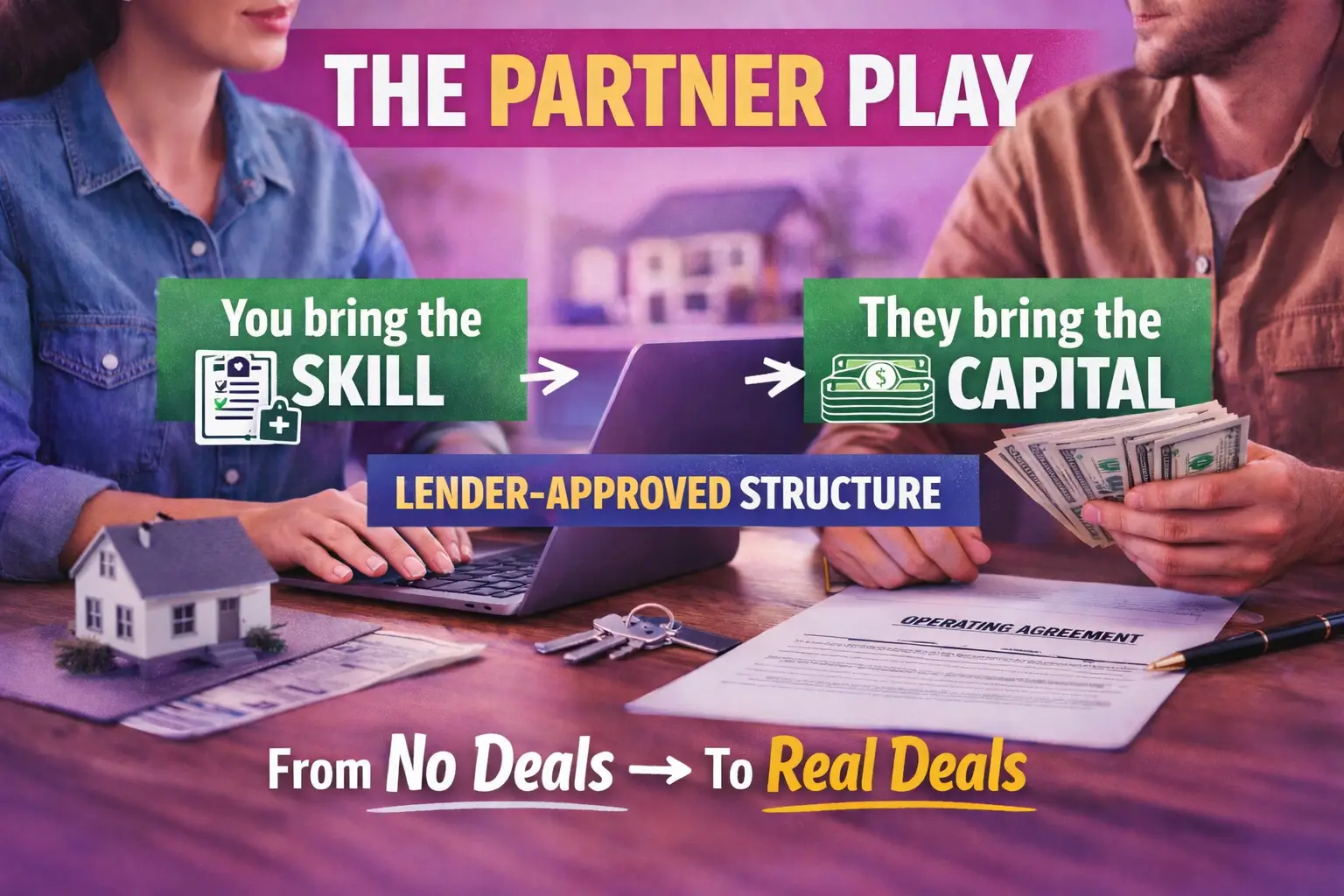
I always recommend partnering with an experienced flipper first. It helps you get better lending terms and teaches you how real investors buy at the right price, estimate repairs correctly, and plan a safe exit. Once you understand those fundamentals, a fix and flip loan becomes a tool that works for you instead of against you.
Key Facts Table
| Topic | Explanation |
| Purpose | Buy, renovate, and resell for profit |
| Loan length | 6 to 12 months |
| What lenders evaluate | ARV, rehab budget, comps, experience |
| Typical funding | Up to 90 percent of purchase, 100 percent of rehab |
| Borrower type | Beginner to seasoned Investors with a clear exit |
| Required documents | SOW, LLC docs, bank statements, and more depending on the lender |
| Closing speed | 5 – 14 days depending on the lender |
Step By Step Guide
Step 1. Find the right deal
This is the most important step because everything depends on buying correctly. If you buy too high, no lender, contractor, or market trend can save the deal.
A simple rule almost every experienced flipper follows is buying at 60 to 70 percent of ARV minus the cost to rehab. This protects your profit and gives you a buffer for surprises.
If a property will be worth $100,000 as is, aim to buy it around 60,000 to 70,000 minus rehab.
How to come up with the right price to pay for a fix and flip property
A flipper starts with ARV(After Repair Value) and works backward. For a property worth $150,000 after it’s all fixed up, they take 60 percent of ARV which is $90,000, then subtract the $40,000 rehab budget, giving a safe maximum offer of $50,000. Total cost would be about $90,000 and the gross profit would be about $60,000 (minus closing and holding costs).
ARV x 60% – Rehab cost = Target purchase price to offer
Step 2. Build an accurate rehab budget
Your budget must be realistic. Lenders study this closely because cost overruns are the number one reason beginners lose money.
A reliable rule is getting 3 contractor quotes. This helps you:
- Understand what the property truly needs
- Compare pricing on each repair line item
- Train your eye for estimating budgets correctly
Pick the quote that is detailed and reasonable. Lenders will ask for a Scope of Work, and the contractor quote often becomes the foundation for it.
If you know other investors, ask for contractor recommendations from someone who has used them before. A trustworthy contractor protects your timeline and your budget.
Step 3. Support your ARV with comps
Lenders verify ARV using real sales data. Use three to five recently sold comparable properties within a half mile. Your ARV should reflect the actual market, not your hopes.
Step 4. Request funding with the right information
This increases your approval chances if you do it right.
Provide clear and detailed information.
You need:
- Address
- Purchase price
- Rehab cost
- Detailed Scope of Work
- ARV (After Repair Value)
- Track record (Contact me for a Track Record Template and stand out!)
- Exit plan (sell or refinance)
Lenders view organized investors as lower risk.
Step 5. Choose the right lender for you
Your leverage, interest rate, points, and draw structure depend on the project and your experience. Different lenders offer different products, so match the terms to your timeline and risk level.
Step 6. Congrats, your hard work begins now
If you’re working with a right lender, your draw process should be easy and quick. Draws reimburse completed work. You will need some cash to start the project before the first draw is released.
Step 7. Sell or refinance
Your exit strategy should already be planned before you buy the property. Selling at a good price or refinancing into a rental loan are both common exits. It’s highly recommended to have multiple exit strategies to be able to pivot if one doesn’t work.
Fix and Flip Loan Example
Purchase: $200,000
Rehab: $35,000
Total cost: $235,000
ARV: $305,000
Loan structure:
90% of purchase: $180,000
100% of rehab: $35,000
Total loan: $215,000
Investor cash to close: $20,000 + Other costs(Closing costs, insurance, etc.)
Gross profit spread: $305,000 – $235,000($200,000+$35,000) = $70,000 – Other costs(Closing costs, agent commissions, holding costs)
Common Beginner Mistakes
Overestimating ARV
This is the fastest way to lose money. Use comps.
Underestimating rehab
Add a buffer for surprises.
Not having cash for the first draw
Draws come after work is done.
Hiding a gap funder
Some lenders allow second liens and some do not. Be upfront.
Weak exit strategy
You should know your exit before you buy. Have a backup plan.
FAQs
Do beginners qualify for fix and flip loans?
Yes. A strong deal and solid plan can get you started!
Can I get one hundred percent financing?
Usually no. You need cash for down payment and rehab. However, there are creative ways to get 100% funding for your fix and flips. See 6 ways to get into fix and flip with no money down.
How fast can I close?
Often within 5 to 14 days if your documents are ready.
Do I need income verification?
No. Fix and flip loans are mostly based on the asset.
Do I need an appraisal?
Most fix and flip lenders order their own inspection report.
Can I use a contractor?
Yes. Most investors do.
What if my flip does not sell?
Have a rental backup plan. Consult with your DSCR lender first.
How much profit should I aim for?
Many investors target as low as $30,000 to $50,000+ as net profit.
Glossary
ARV
After Repair Value. The expected value after renovation.
LTV
Loan to value based on ARV.
LTC
Loan to cost(purchase price).
Draws
Reimbursements for completed rehab work.
Exit plan
Your strategy to pay back the loan by selling or refinancing.
If you want to make sure your flip numbers are lender ready and safe, I can walk through your deal with you.
Send me a message.
About the Author
Dahae Yi is a private/hard money lender and real estate funding educator specializing in fix & flip and BRRRR financing. She teaches investors how to structure lender-ready deals and offers flexible, relationship-based funding terms that improve as the partnership grows. Her content is designed to help investors going from 0 to 5 investment properties, avoid common funding mistakes, and secure private capital with confidence.




Leave a Reply